
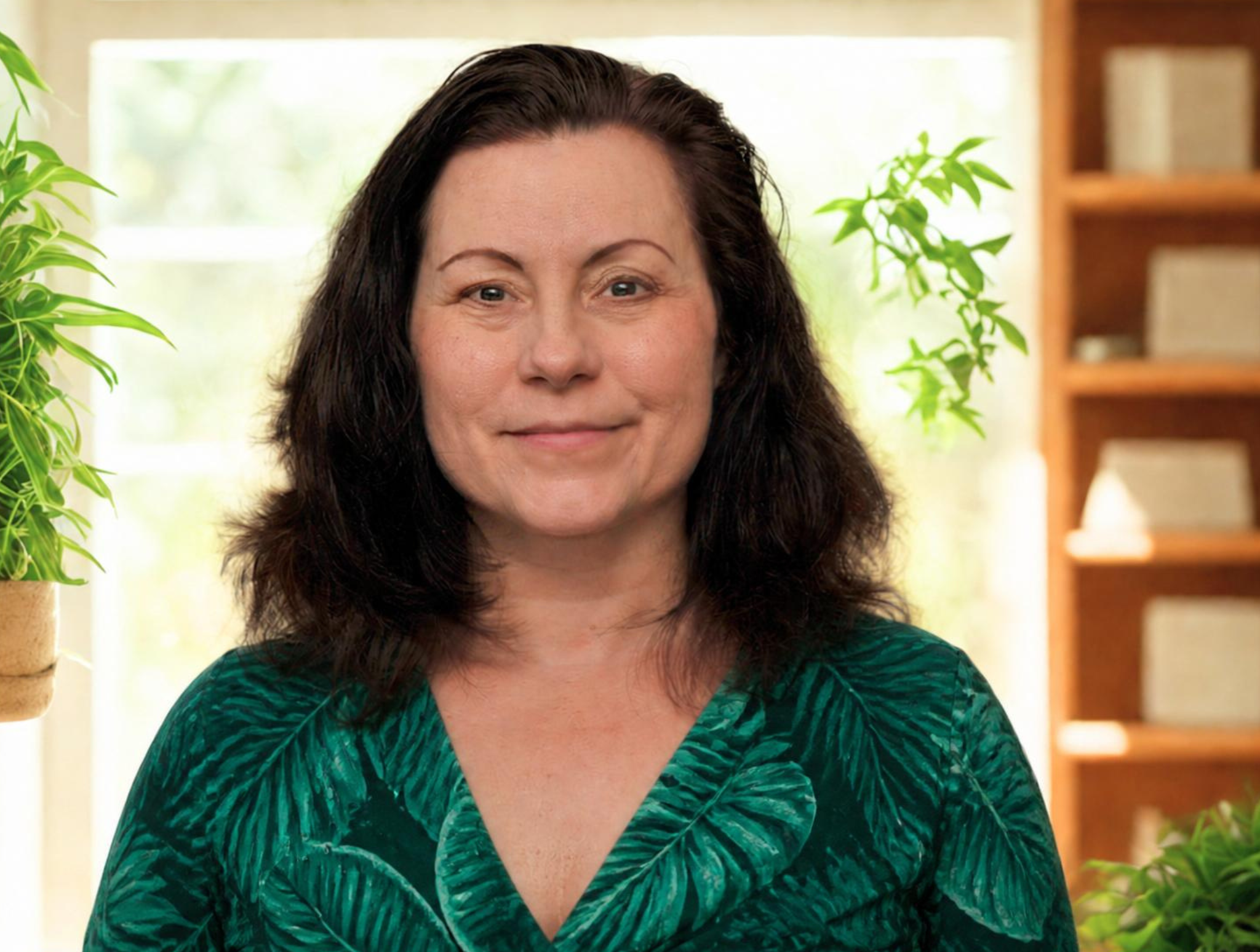
I've been building businesses before the term 'entrepreneur' was mainstream.
I'm Sue Shekut, founder of Shekut Strategies. For more than 26 years, I've built and operated businesses, taught business planning, and helped people make sense of complicated problems.
My background spans business ownership, technical writing, instructional design, and psychotherapy. Those experiences taught me how to evaluate a business, understand the people running it, and recognize when a seemingly logical decision may not be the right one.
Today, I bring that experience to founders who need practical business solutions or experienced guidance through important decisions.
Business Experience. Earned the Practical Way.
-

Building businesses taught me what business plans can't.
My first business was a backyard day camp when I was ten. As a teenager, I sold Avon door-to-door. Later, I built a mobile massage therapy practice and operated it for 25 years.
I learned firsthand about pricing, cash flow, marketing, employees, clients, and the daily realities of running a business. I made mistakes, corrected them, and learned what works.
-
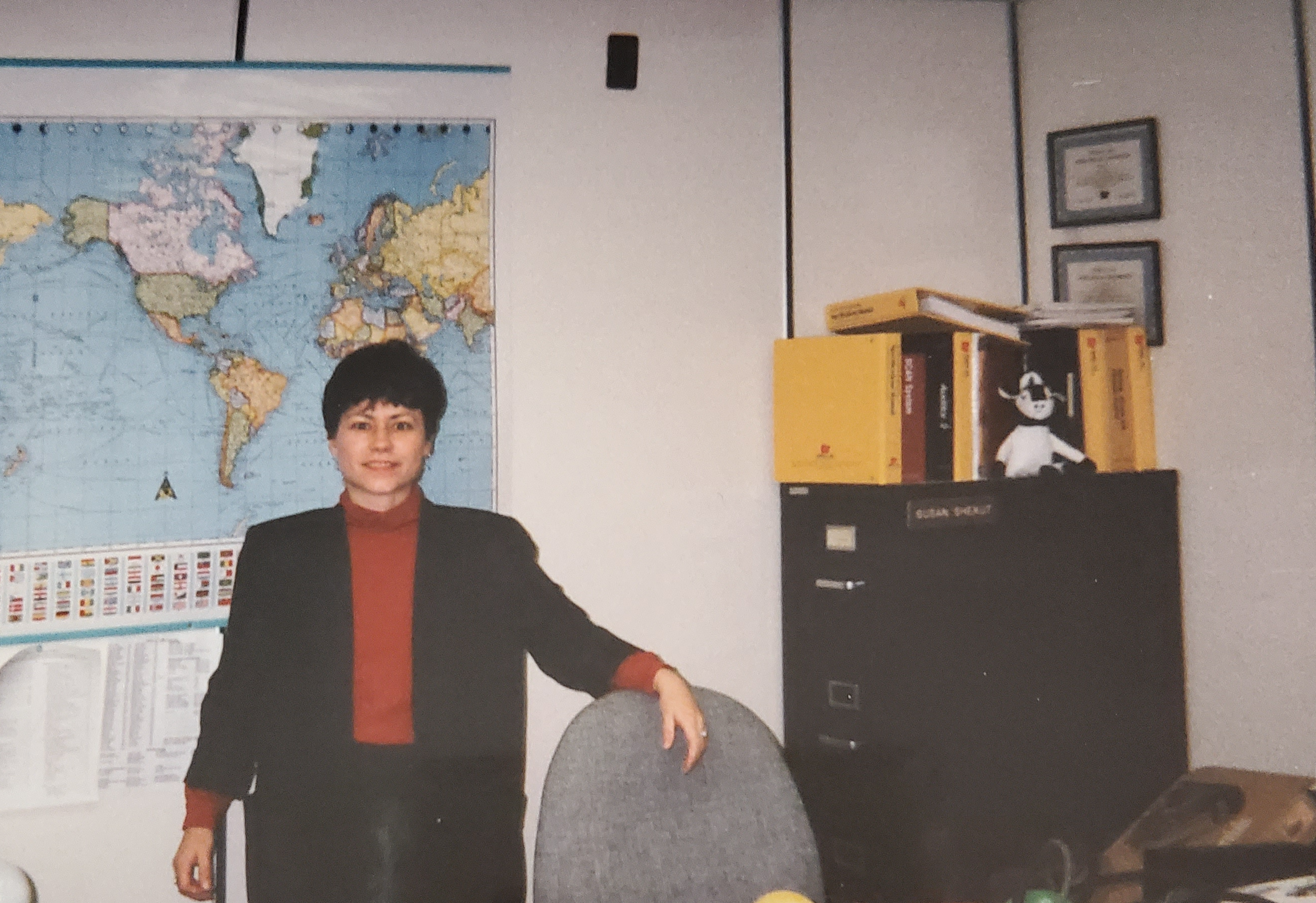
Explaining complex systems became another specialty.
I spent nine years as a technical writer and four years as an instructional designer, learning how to break down complicated information, identify what wasn't working, and turn it into practical guidance.
That experience continues to shape how I analyze business problems and develop strategies clients can actually use.
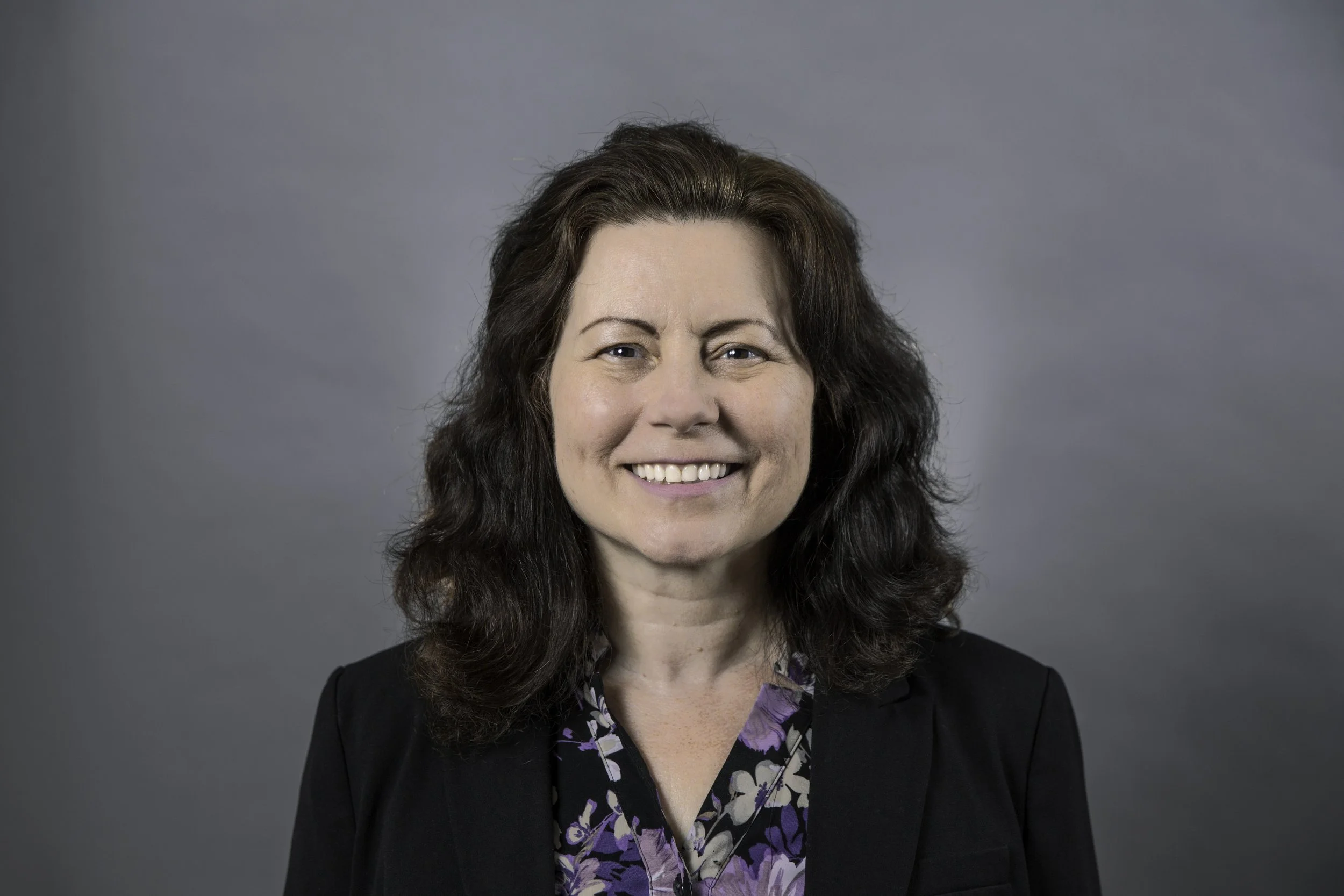
Understanding Business Is Only Part of the Equation.
When I opened my psychotherapy practice, I began working with highly capable professionals who understood their situations intellectually but still struggled to make decisions under pressure.
My business experience taught me how to examine financial realities, challenge assumptions, and determine whether a strategy was viable.
My clinical training added another dimension: understanding how stress, uncertainty, perfectionism, and personal history can influence judgment.
Good information doesn't automatically produce good decisions.
Shekut Strategies brings these perspectives together. I help founders understand their business realities, recognize what may be influencing their decisions, and develop practical ways forward.
How I Work With Founders
Strategic Consulting
I help founders develop viable business models, evaluate financial assumptions, refine pricing and positioning, and solve specific business problems.
The work produces practical recommendations, strategies, and deliverables.
Founder Decision Coaching
I work with established founders facing important decisions about growth, leadership, restructuring, or the future of their business.
Together, we examine the options, challenge assumptions, and identify a direction that makes sense financially and personally.
Experience & Education
Business & Professional Experience
More than 26 years building and operating businesses
Nine years in technical writing and four years in instructional design
Five years teaching business planning to massage therapy entrepreneurs
Experience in pricing, business operations, financial planning, marketing, and business development
Education & Professional Training
BA, Communications, University of Michigan
MA, Clinical Professional Psychology, Roosevelt University
Graduate coursework in economics, finance, accounting, statistics, law, and marketing
Licensed Clinical Professional Counselor (LCPC)
Somatic Experiencing Practitioner (SEP)
Professional training in coaching, applied psychology, and decision-making
Built for People Who Think Differently
Many founders see possibilities others miss, connect ideas quickly, and have little patience for generic business advice.
I understand that kind of thinking. My job isn't to force you into someone else's formula. It's to help you evaluate your ideas, understand the trade-offs, and make decisions that work for your business.
I built this practice because I kept meeting founders who needed something I couldn't find anywhere else. Rigorous. Honest. Grounded in how people actually function under pressure. Willing to name what's really going on—And give them a path forward.
If that sounds like the kind of support you're looking for, I'd like to hear about what you're building.